
round illuminated mirror 800mm
Understanding One-Way Water Check Valves Functionality and Applications One-way water check valves are essential components in various plumbing and fluid management systems. Their function is simple yet critical they allow water or other liquids to flow in one direction while preventing backflow. This capability is crucial in maintaining system integrity, ensuring that water flows as intended without the risk of contamination or damage from reverse flow. How One-Way Check Valves Work The operation of a one-way check valve is based on a straightforward principle of mechanics. The valve consists of a body, a disc or ball, and a seat. When water flows in the intended direction, the pressure pushes the disc or ball off the seat, allowing fluid to pass through. When the flow reverses, the pressure drop forces the disc or ball back onto the seat, effectively sealing the valve and stopping any backflow. This automatic operation eliminates the need for manual intervention and relies entirely on fluid dynamics. Importance in Plumbing Systems In residential and industrial plumbing, one-way check valves play a pivotal role. For instance, they are commonly employed in sump pumps and drainage systems to prevent water from flowing back into a sump pit or basin once it has been pumped out. The presence of a check valve ensures that the system remains efficient and free from contamination. Similarly, in irrigation systems, these valves prevent the backflow of chemicals or fertilizers into the primary water supply, safeguarding public health and maintaining water quality. Industrial Applications one way water check valve Beyond residential use, one-way check valves are critical in various industrial applications. They are found in systems that handle wastewater, petrochemicals, and other fluids. In these settings, the integrity of the system is vital to prevent leaks, spills, and potential environmental hazards. The use of check valves can help in managing pressure differentials and ensuring that processes run smoothly without disruptions caused by fluid backflow. Choosing the Right Check Valve When selecting a one-way water check valve, several factors must be considered. The valve must be compatible with the type of fluid involved, the pressure conditions, and the temperature of operation. Materials such as brass, stainless steel, and PVC are common choices, each offering different levels of resistance to corrosion and wear. Additionally, factors like flow rate and installation requirements must be carefully evaluated to ensure optimal performance. Maintenance and Lifespan One-way check valves generally require minimal maintenance; however, regular inspections are advisable to ensure full functionality. Over time, debris and minerals can accumulate, potentially compromising the valve's effectiveness. In harsh operating conditions, valves may wear out faster, necessitating replacement. Following manufacturer guidelines for maintenance can prolong the lifespan of these valves and ensure they function as intended. Conclusion In summary, one-way water check valves are integral to the efficient operation of various fluid systems. Their ability to prevent backflow makes them indispensable in both residential and industrial applications. By understanding how these mechanisms work and their significance across different settings, users can better appreciate the role they play in maintaining system integrity and preventing potential hazards. Whether in a simple home plumbing system or a complex industrial setup, one-way check valves are a small but mighty component that ensures fluid systems operate smoothly and safely.
about
round illuminated mirror 800mm
Understanding the Pricing Dynamics of an 8-inch Butterfly Valve In the world of industrial equipment, the 8-inch butterfly valve is a crucial component in various piping systems due to its efficiency and versatility. A butterfly valve, named for its resemblance to a butterfly's wings when open, is a type of flow control device used to regulate fluid flow in pipelines. The price of an 8-inch butterfly valve, like any other industrial product, is influenced by several factors that contribute to its overall cost. Firstly, the material composition plays a significant role. Butterfly valves can be made from a range of materials, including carbon steel, stainless steel, brass, or even exotic alloys. Each material offers different levels of durability, corrosion resistance, and temperature tolerance, which directly impacts the price. For instance, an 8-inch valve made from high-grade stainless steel will typically cost more than one made from carbon steel due to its superior corrosion resistance properties. Secondly, the valve design and construction also dictate pricing. Butterfly valves can be wafer-style, lug-style, or flanged, with each having distinct installation requirements and performance characteristics. A more complex design, such as a lug-style or flanged valve, often commands a higher price due to the additional engineering and manufacturing processes involved. Manufacturing quality and brand reputation are other key determinants. High-quality valves, manufactured by reputable brands, undergo rigorous testing and adhere to industry standards like API, ANSI, or ASME. These valves, while potentially costing more upfront, often provide better reliability and longer service life, reducing long-term maintenance and replacement costs These valves, while potentially costing more upfront, often provide better reliability and longer service life, reducing long-term maintenance and replacement costs These valves, while potentially costing more upfront, often provide better reliability and longer service life, reducing long-term maintenance and replacement costs These valves, while potentially costing more upfront, often provide better reliability and longer service life, reducing long-term maintenance and replacement costs 8 inch butterfly valve price . The market demand and supply dynamics also affect pricing. In times of high demand and limited supply, prices tend to rise. Conversely, during periods of surplus or economic downturns, manufacturers may offer competitive pricing to maintain market share. Moreover, additional features like actuators, positioners, or safety certifications can significantly influence the final cost. Actuators allow for remote operation, while positioners ensure precise valve control. Certifications, such as API 609 or PED, guarantee compliance with safety regulations and can add to the price tag. Lastly, regional factors, including local taxes, import duties, and transportation costs, should not be overlooked. An 8-inch butterfly valve imported from another country may incur additional expenses due to these factors. In conclusion, the price of an 8-inch butterfly valve is a complex interplay of material choice, design, manufacturing quality, market conditions, added features, and geographical considerations. While a lower price might seem attractive, it's essential to weigh the initial cost against the valve's performance, durability, and potential long-term savings. When making a purchasing decision, it's always recommended to consult with experts who can provide insights into the most suitable valve for your specific application and budget.
-

High quality industrial productsagement

High quality industrial products
View Details -

Meet the diverse needs of customers

Meet the diverse needs of customers
View Details -

Strict quality control

Strict quality control
View Details -

Top raw materials

Top raw materials
View Details -

Trusted supplier

Trusted supplier
View Details
Our application
news and information
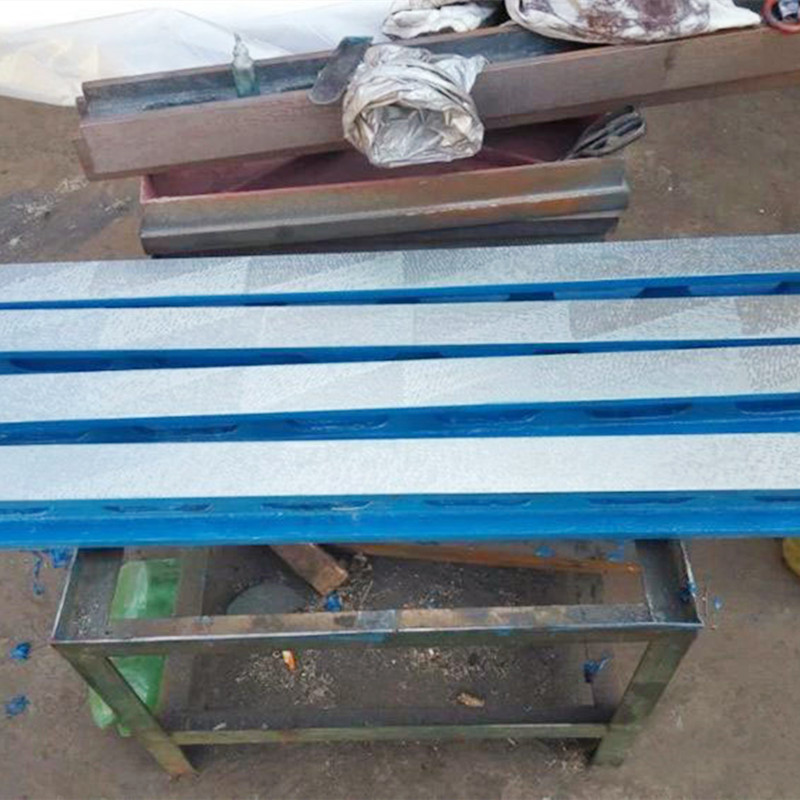
welding workbench
The Welding Workbench Essential Equipment for Metal Fabrication Welding is a fundamental process in

water shutoff valve
Understanding Water Shutoff Valves An Essential Home Component Water shutoff valves are crucial comp
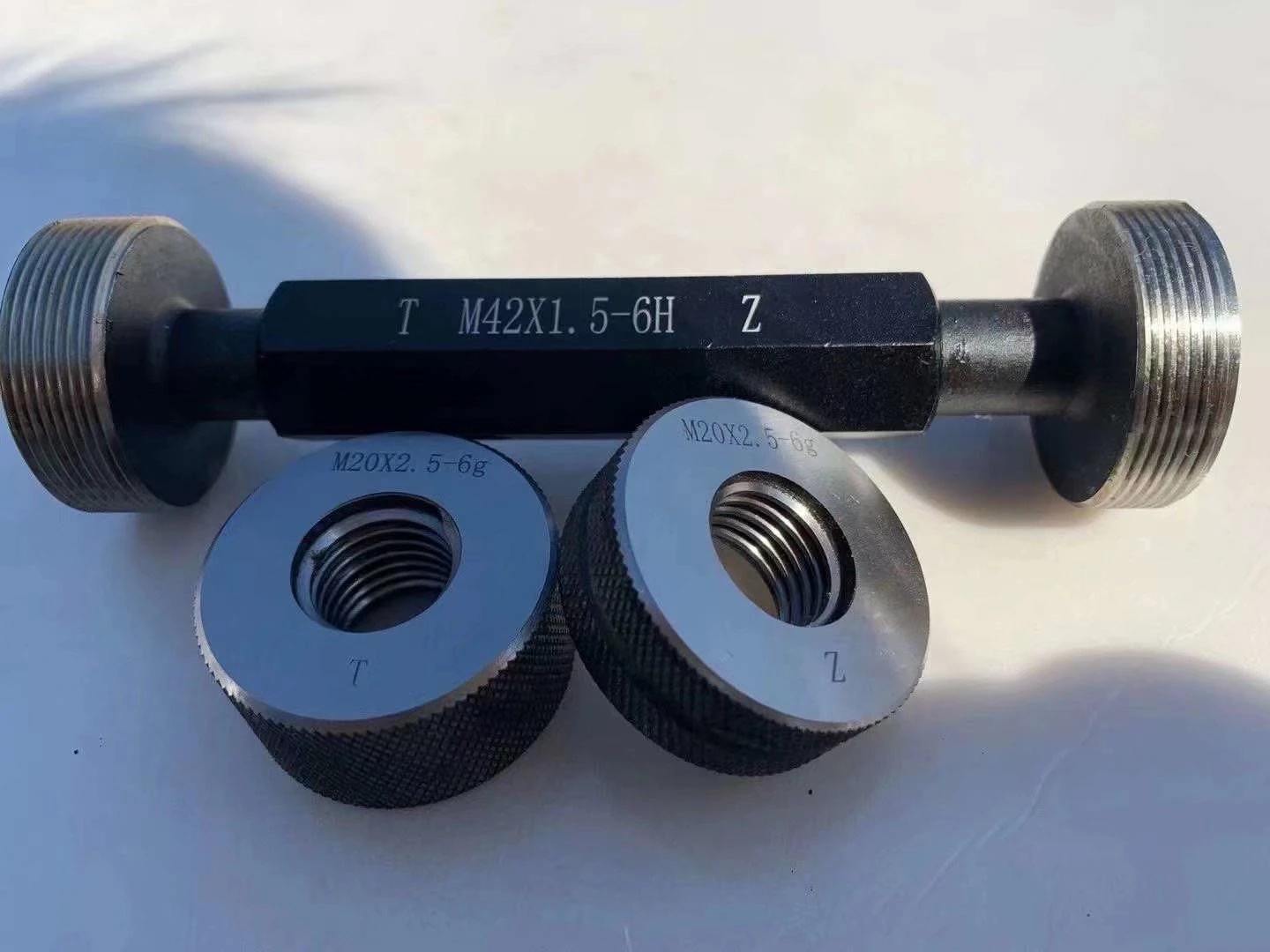
Y Type Water Strainer for Efficient Filtration and Flow Management Solutions
Understanding Y-Type Water Strainers A Key Component for Fluid Management Water strainers are critic
 English